Redefining What’s Possible and Achieving Results

We are fast where others are slow, flexible where others are rigid, and committed where others are distant.
Non-Stop Power for Continuous Oil Production.
Efficiency
Not less than 97%
Input power factor (cosφ)
≥0.96
Mean time between failure (MTBF)
220,000 hours (with timely service)
THD output voltage / current
<5%/<2%

Discover the engineering advantages that set the AT27 ED ESP apart - and keep your operations running at peak performance.

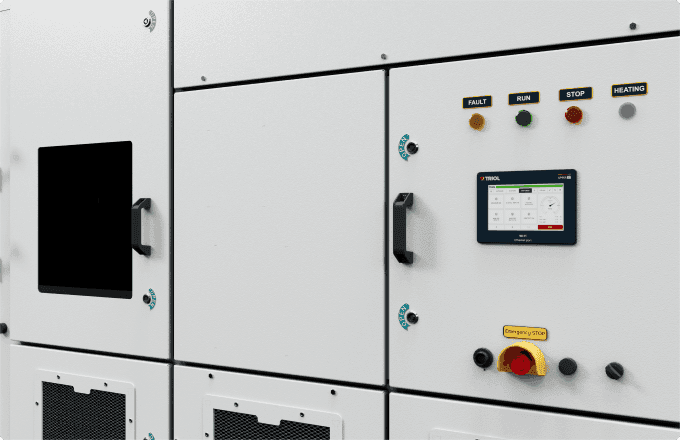
The AT27 VFD ED ESP is equipped with specialized functions tailored for the oil extraction industry, including the processing of telemetry data from downhole units for real-time monitoring and optimal performance. The system also includes algorithms such as Gas Plug Removal and the Wedging Algorithm (Jogging and Swing modes) to prevent accidents, maintain nominal operation, and restart wedged pumps.
The proprietary Triol Bypass HOpCoD™ (High-Operated Commutation Device) system ensures continuous drive operation even in the event of a total power cell failure. This technology safely handles faults with an extremely fast response time of less than 4 milliseconds (<4 ms), ensuring uninterrupted production.
<4 ms
The VFD's architecture delivers a "pure sine" output voltage and current, with high quality output harmonics (THDu ≤5% / THDi ≤2%). The inclusion of a Sine Wave Filter specifically prevents dangerous overvoltages at the cable end on long cable lines, mitigating accelerated insulation aging and reducing the risk of premature Electric Submersible Pump (ESP) failures.
The drive achieves a high VFD efficiency of not less than 97%. It features a high input power factor of ≥0.96, which, combined with the multi-pulse rectifier design, ensures the VFD is compliant with IEEE 519 standards without requiring external power factor correction capacitors or additional input filters.
IEEE 519 compliance
The AT27 VFD ED ESP supports advanced vector control algorithms for both asynchronous motors (AD) and permanent magnet synchronous motors (PMM). This flexibility allows operators to standardize their systems across various motor types used in electric submersible pump (ESP) applications.

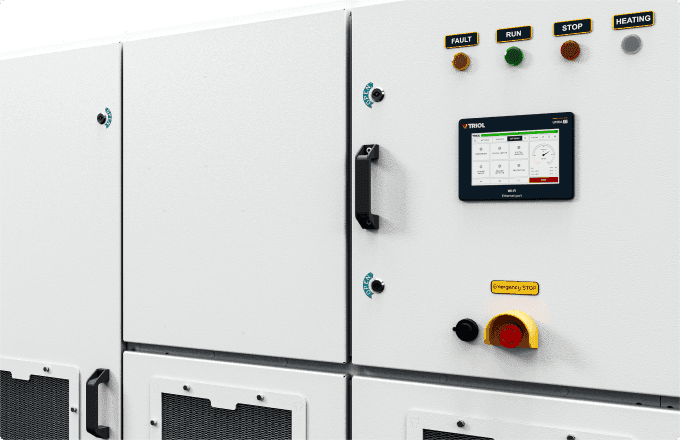
For simplified field operations, the AT27 VFD is equipped with a Wi-Fi adapter that allows for quick setup and commissioning via a mobile phone application called the AT27 VFD Wizard. This feature facilitates step-by-step drive setup, wave form monitoring, and report generation.

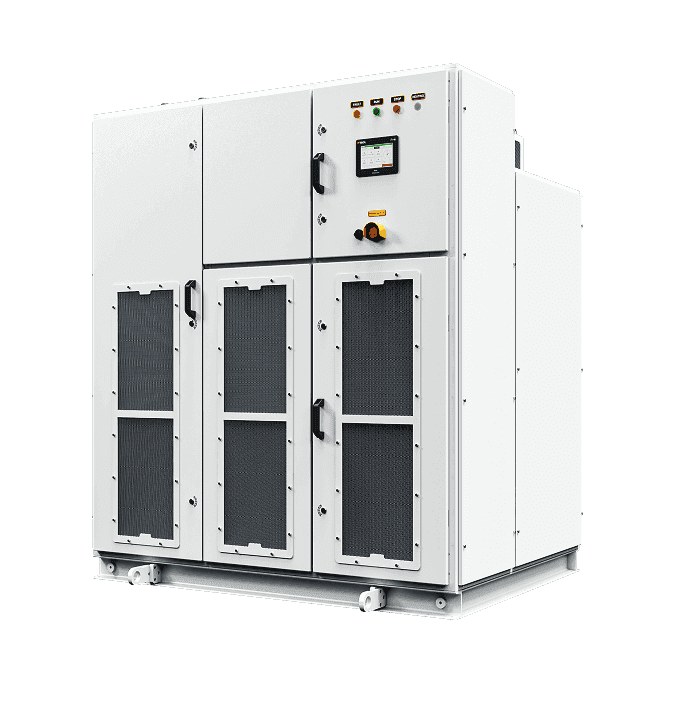
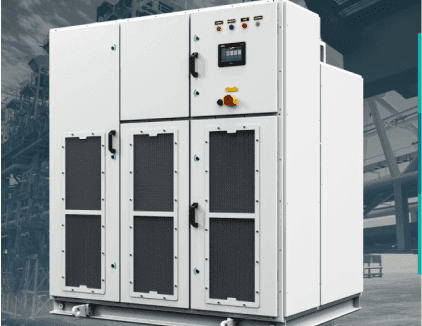
he drive offers three enclosure types—NEMA 2 (Indoor), NEMA 4, and NEMA 4X (Outdoor)—to ensure optimal performance in diverse environments, including harsh marine and offshore operations. It also provides an exceptional power-to-footprint ratio, making it suitable for space-constrained installations.

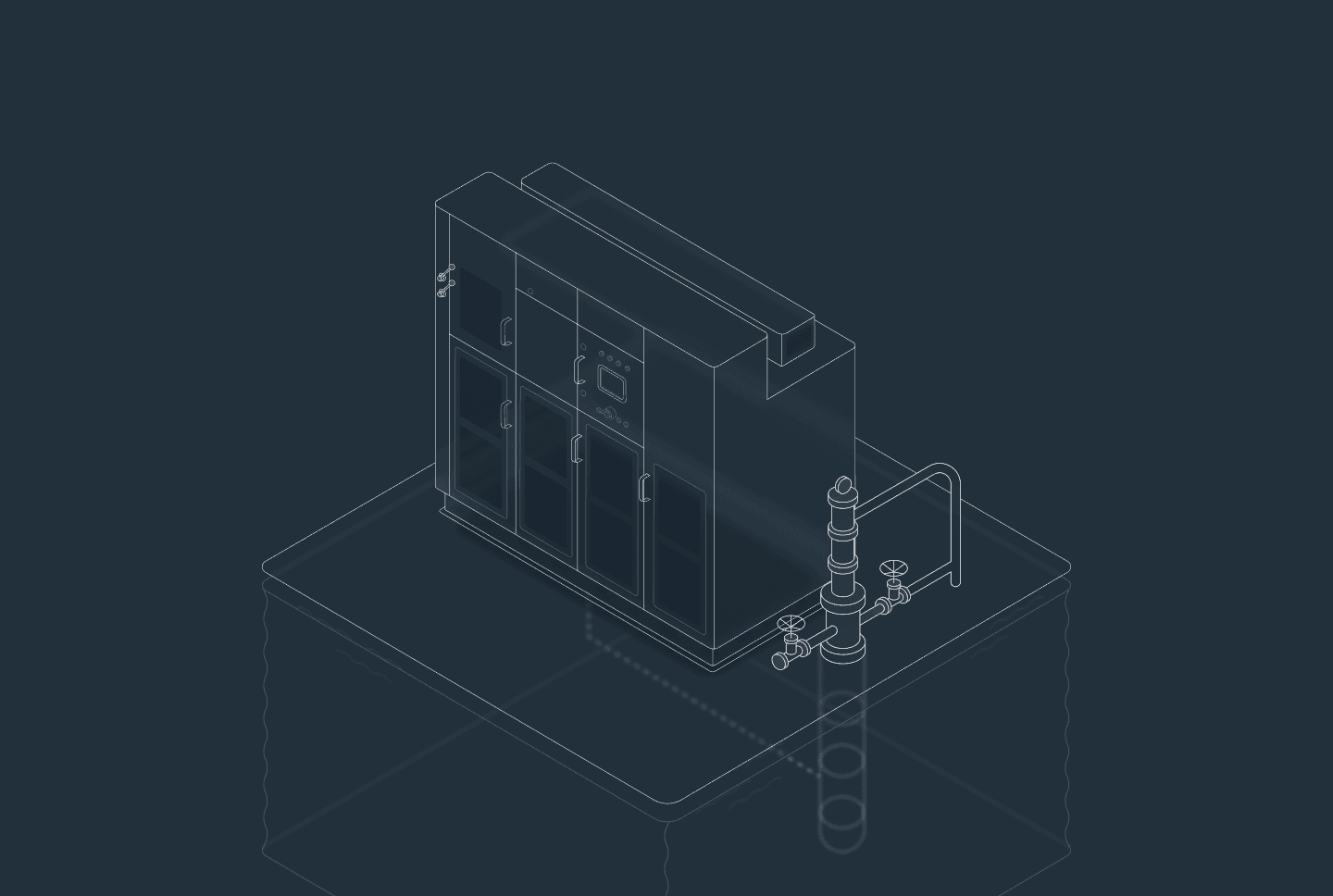
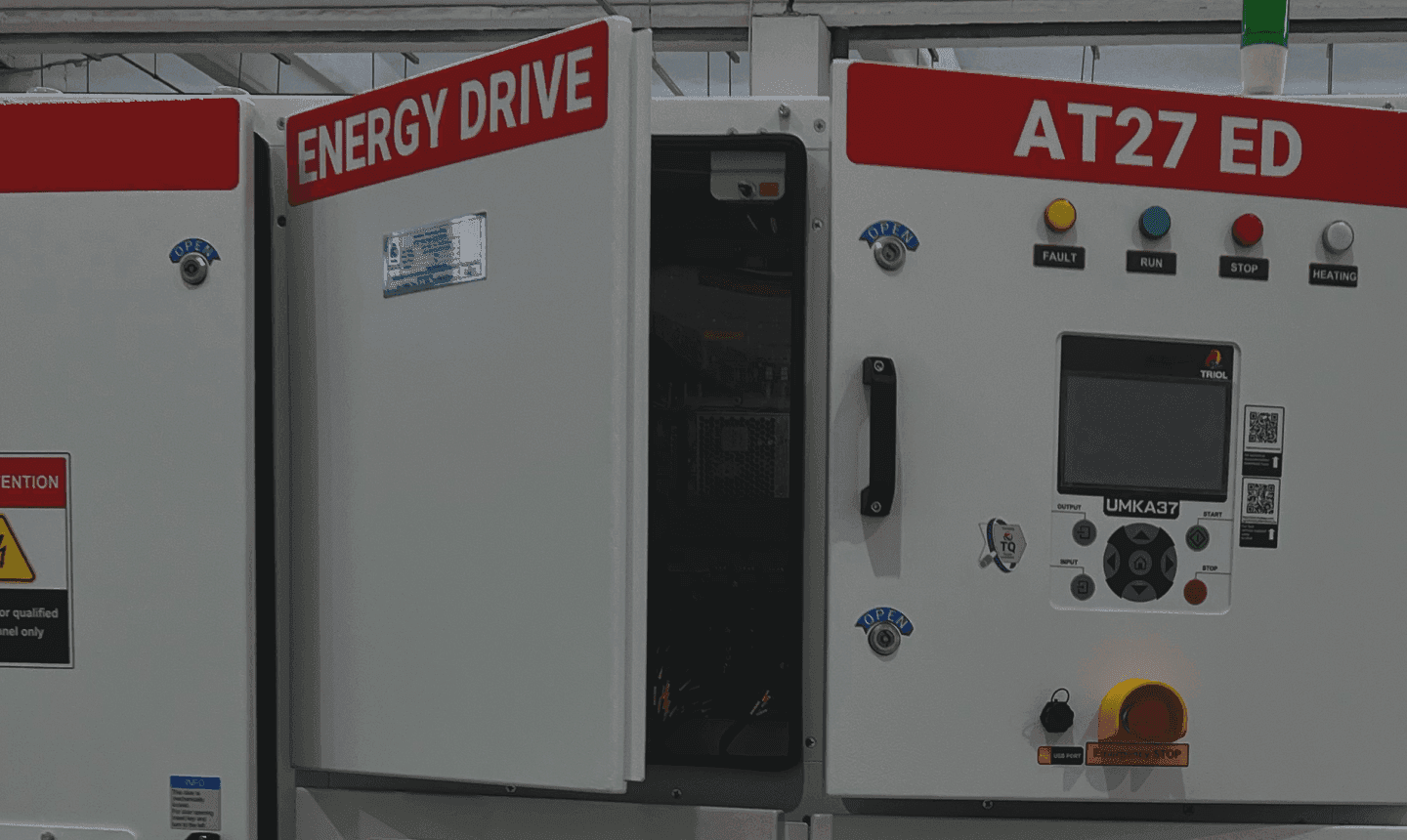
Look inside the AT27 ED ESP to see how smart design becomes real-world performance, efficiency, and uptime.

your reality, your challenges, your success.
Submit your request or question, and our team of specialists will contact you.
Our sales team will contact you as soon as possible.

Built through partnership. Proven by engineering. Trusted in the toughest conditions. Full-cycle production. Total reliability. Systems that perform where others fall short.
Meet our team
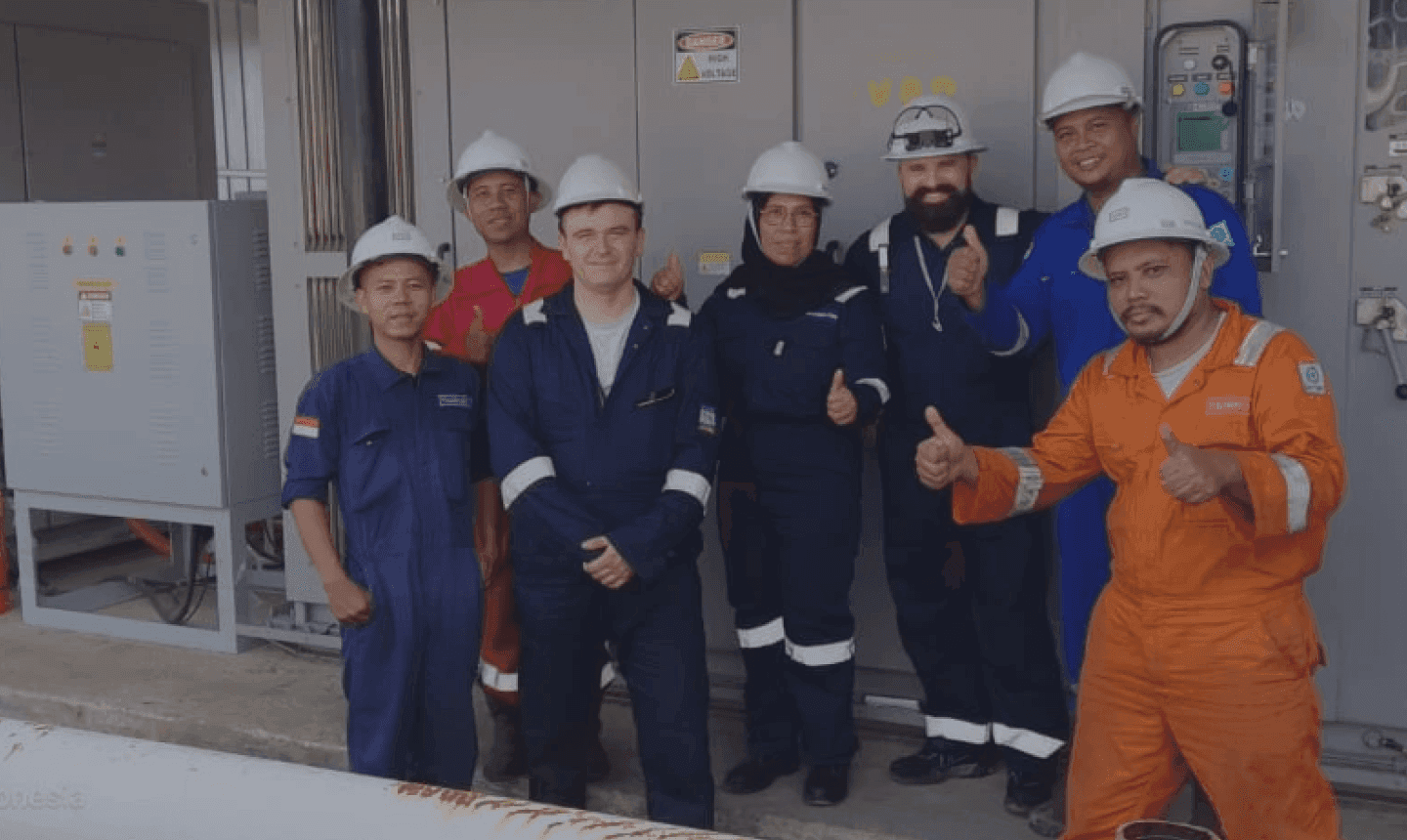
Meet the team behind innovations that drive industries forward. Engineers, designers, and experts turning challenges into solutions.
Triol’s partners
We collaborate with leading Oil & Gas and industrial companies worldwide to deliver efficient, proven solutions tailored to their unique challenges.
Sustainability
Because real sustainability starts at the design table - not at the marketing one - we engineer systems that conserve, protect, and outperform over time.
Output frequency range
From 0.5 to 120 Hz (up to 320 Hz for Permanent Magnet Motors (PMM))
Enclosure type options
NEMA 2 (Indoor), NEMA 4, NEMA 4X (Outdoor)
Operating temperature range
−10 °C to +40 °C (14 °F to 104 °F) for NEMA 4/4X enclosures
VFD lifetime
25 years
Power cell bypass response time (HOpCoD™)
Less than 4 ms