A brief grid disturbance can interrupt a production process. A short demand peak can increase electricity costs. Surplus solar generation can arrive hours before a facility needs it.
Each situation raises a different question. How can critical equipment remain supplied? How can a site manage its demand? How can locally generated electricity deliver more value?
PRIME brings these questions into one system architecture.
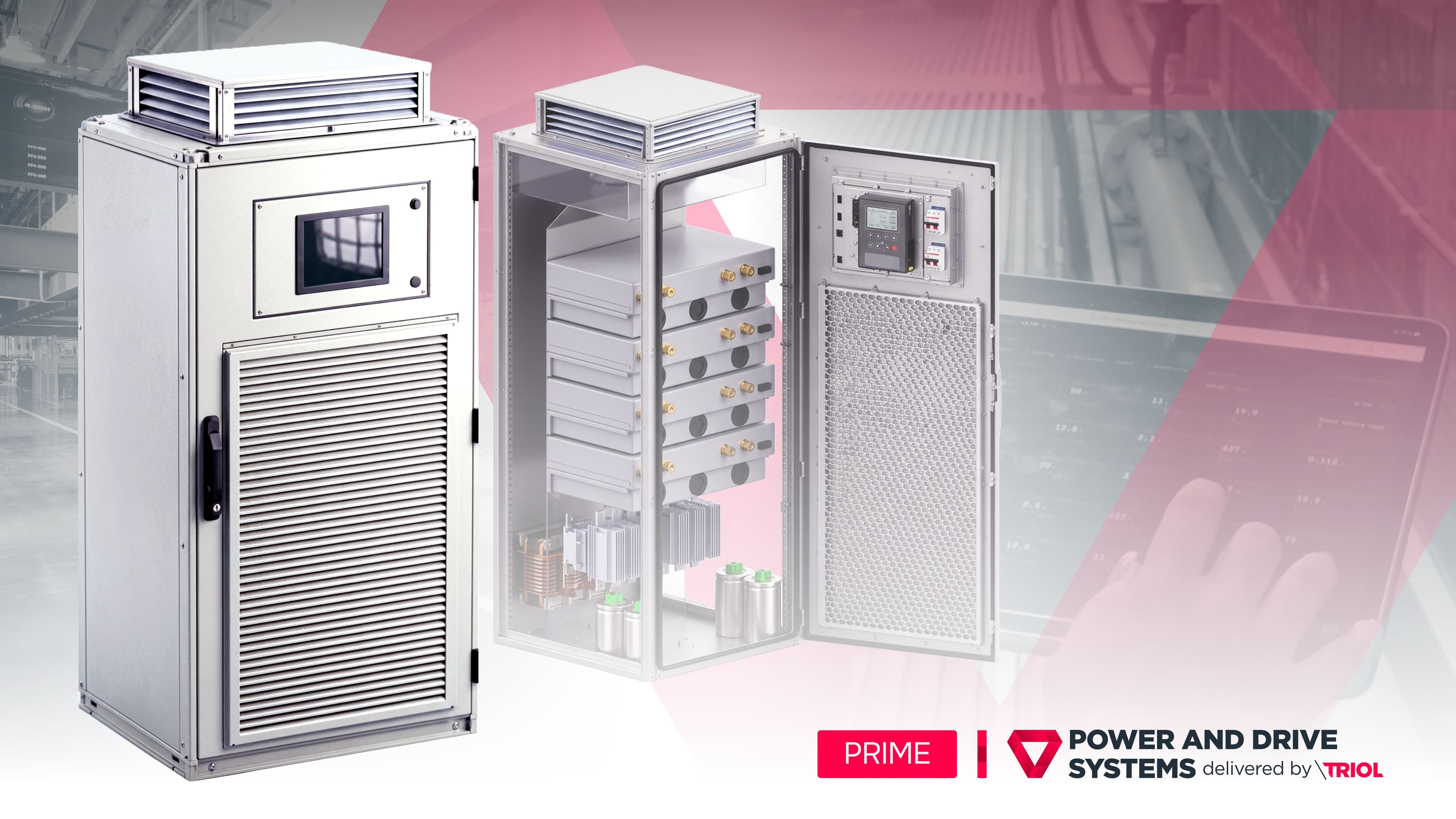
PRIME connects power conversion, battery storage, energy management and grid transfer around the operating priorities of a site. Its modular approach allows the configuration to follow the application, from grid-connected storage to renewable integration, battery-diesel systems and microgrids.
PRIME-APCS power conversion forms the core, alongside the planned PRIME-BESS, PRIME-EMS and PRIME-STS products.
Continuity starts with coordinated control
Maintaining supply to critical processes requires the battery, converter and switching equipment to work together.
PRIME-APCS supports both grid-following and grid-forming control. Grid-following operation synchronizes with an existing network. Grid-forming control establishes voltage and frequency for a local network, using an available energy source.
In an appropriately engineered battery-backed configuration, these capabilities support operation independently of the external grid.
The planned PRIME-STS static transfer switch monitors grid conditions and manages separation from a faulty network. PRIME-APCS controls the local electrical supply, while the battery provides energy.
When suitable grid conditions return, the system coordinates synchronization and reconnection.
Continuity depends on matching the complete configuration to the critical loads, their transfer tolerance and the required backup duration.
What PRIME solves for your business
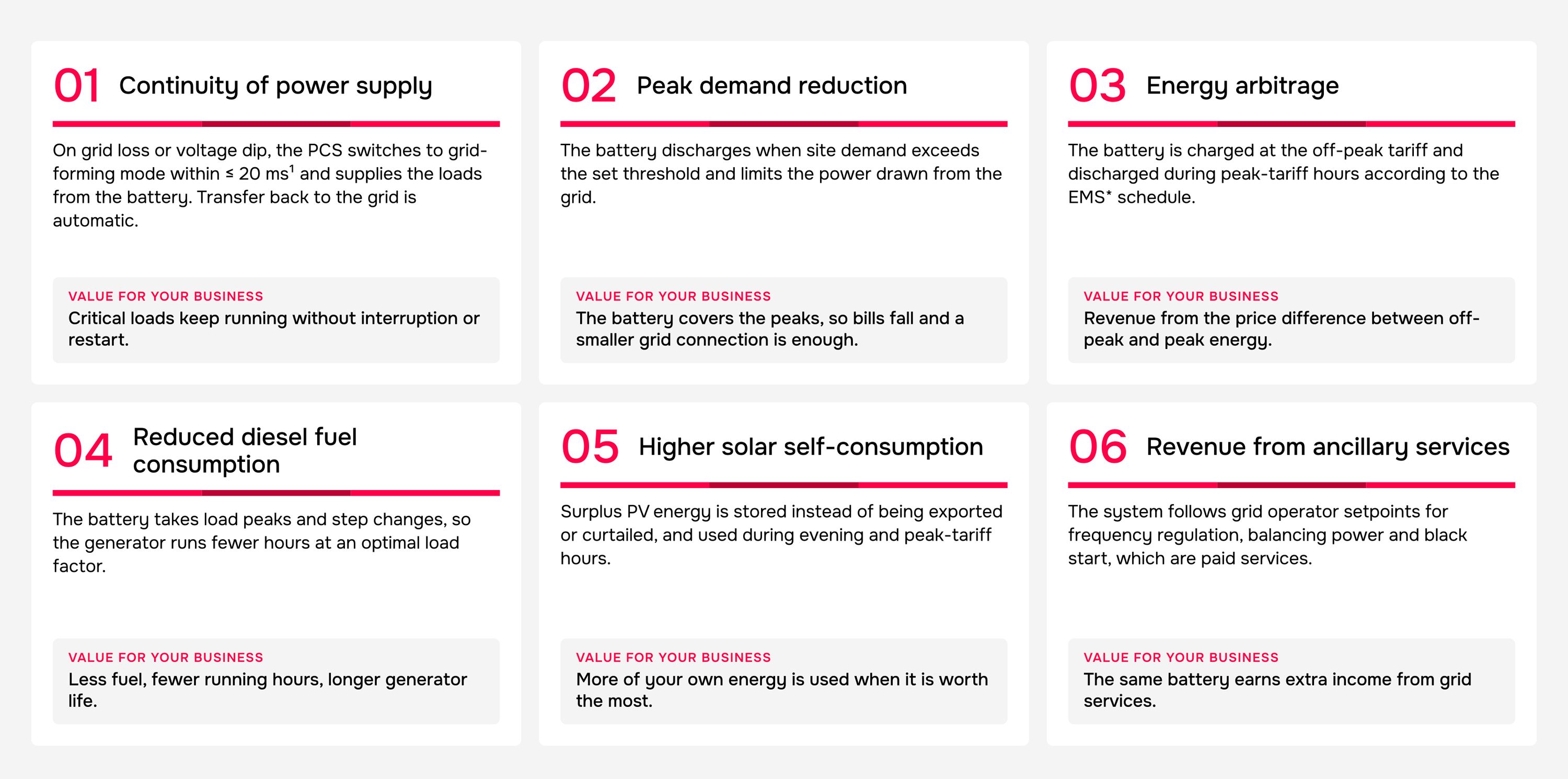
Figure 1. Six PRIME applications and their potential business benefits.
Put stored energy to work throughout the day
Storage can also support everyday energy decisions: reducing peak grid demand, retaining surplus solar generation and shifting electricity purchases away from higher-priced periods.
At remote sites, coordinated battery and diesel operation can help manage load changes and support more efficient generator operation.
The planned PRIME-EMS controller coordinates charging, discharging and operating priorities using information such as demand, generation, tariffs and battery limits.
For example, a facility could store surplus solar electricity, use it later to reduce grid demand, and maintain a defined reserve for backup.
Where market arrangements and technical qualification allow, storage may also participate in grid services such as frequency regulation.
Each use must fit within the available energy, power ratings and battery limits. Financial benefits depend on the site’s operating profile, tariffs and market conditions.
Four product roles. One coordinated architecture.
- PRIME-APCS - power conversion: bidirectional conversion between battery DC and network AC, with grid-following and grid-forming control.
- PRIME-BESS - battery storage: planned LFP systems in air-cooled cabinets and liquid-cooled containers, with battery management, thermal management and protection.
- PRIME-EMS - energy management: planned coordination of schedules, priorities and power setpoints.
- PRIME-STS - static transfer switching: planned grid monitoring, separation and synchronized reconnection.
PRIME-APCS can also work with compatible third-party batteries and external EMS or SCADA systems.
Which products for which task
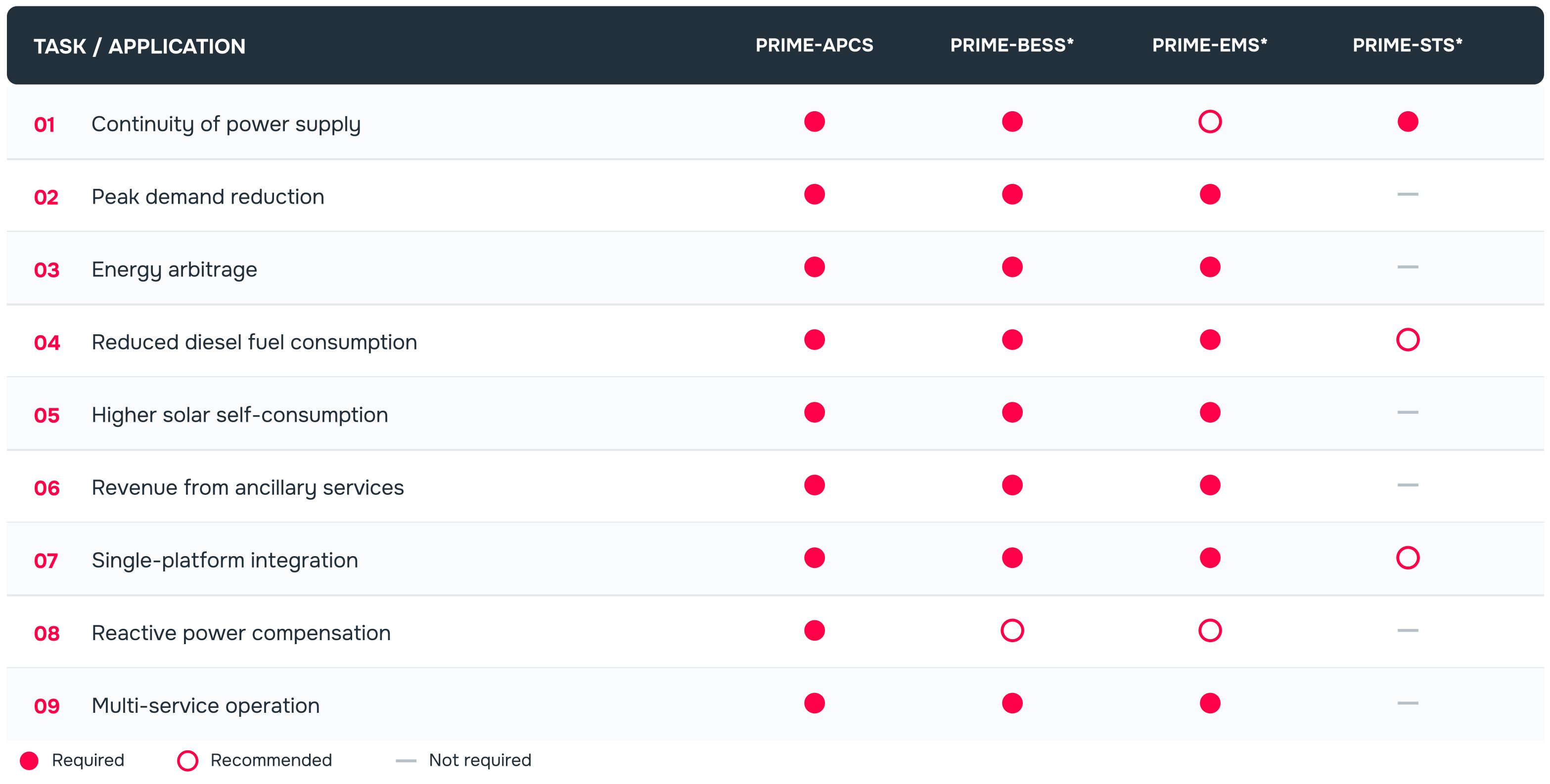
Figure 2. PRIME configuration guide: required and recommended products by application.
Start with today’s priority. Plan for tomorrow’s needs.
PRIME’s modular power conversion architecture extends from compact cabinets to multi-cabinet stations.
Common power modules and controls support expansion and help simplify service, spare parts and training.
A configuration can begin with power conversion and battery storage, adding management and switching functions according to the application.
Expansion must account for the electrical infrastructure, protection, cooling and grid connection.
Turn your energy priorities into a project plan.
Planning storage for your site? Share your load profile, existing generation and operating priorities with Triol.
Our team can help assess the configuration for your application, whether the focus is continuity, peak demand management or greater use of on-site generation.
Discuss your PRIME project with Triol