Walk a production site and count the variable frequency drives. The one on the water transfer pump, the one on the cooling fan, the one on the compressor. All of them are solving the same problem: hold a speed, hold a torque, protect the motor.
Then there are the drives on the rod pumps and the PCPs, and they are not solving that problem at all.
What makes a rod pump different
A sucker rod pump does not present a load. It presents a cycle. The load builds through the upstroke as the rod string lifts the fluid column, then falls away on the downstroke as gravity does the work.
Within every stroke, the torque the motor sees swings across its full range and back.
A general-purpose drive treats that swing as a disturbance to reject. But the swing is not a disturbance. It is the signal.
Plot polished rod load against rod position over one stroke and you get a closed loop, a dynacard, and its shape is a direct read on what is happening a mile underground. A full pump draws one shape. A half-filled pump draws another. Fluid pound, worn valves, a parted rod, gas interference: each has a signature.
The AT24 SR constructs those cards itself, with a load sensor or without one, and runs system diagnostics from them. That changes what the drive is for. It stops being a speed controller with protections bolted on and becomes the instrument that reports the condition of the downhole equipment.
All of that runs in the UMKA10 controller, and the cards are its home screen: the surface card in red, the downhole card in blue, redrawn every stroke, with rod and plunger loads read out alongside.
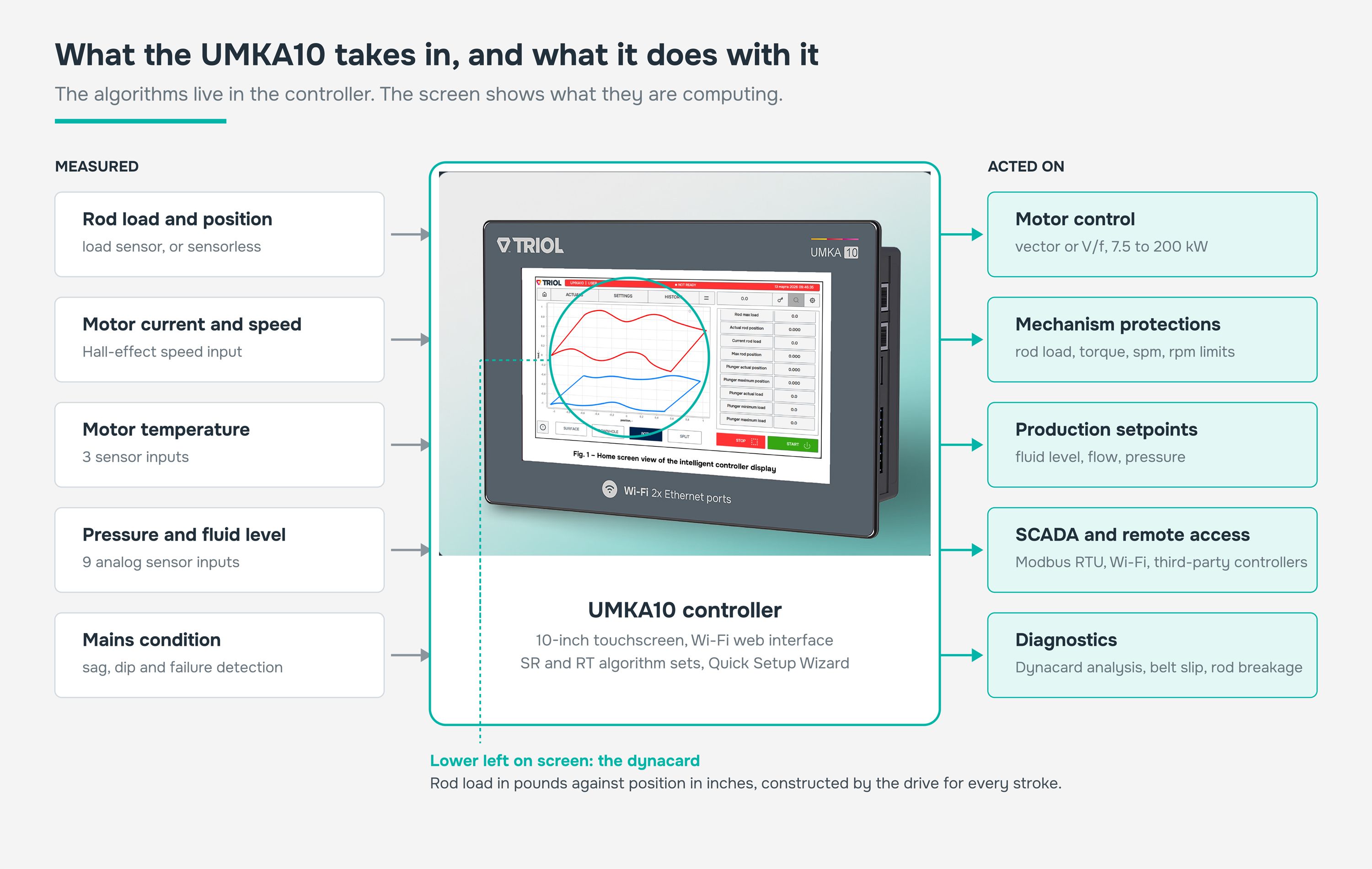
Figure 1. What the UMKA10 takes in, and what it does with it.
Around that sit the algorithms that only make sense on a rod pump: determining the optimum direction of crank rotation, running the balancing procedure, marking rod end positions, setup macros for different SRP types, fluid pound avoidance, and limits on rod load, rod torque and strokes per minute rather than on motor current alone.
What makes a PCP different
A progressive cavity pump has the opposite character. The torque is steady, because a rotor turning inside an elastomer stator is a positive displacement machine.
The problem is not the cycle. It is the energy stored in the system.
A PCP rod string is a long steel spring. Under load it winds up over hundreds of metres. Cut the power and it unwinds, driving the rotor and the motor backwards at speed.
That is backspin, and it is the defining control problem of the application. Unmanaged, it leaves two bad outcomes: an uncontrolled reverse spin that damages the rod string or the stator, or a restart into a reversing shaft.
The AT24 RT handles it in layers. For a mains failure up to 0.5 seconds it uses kinetic buffering, holding motor control and preventing reverse rotation outright. Beyond 0.5 seconds it runs a reduced reverse rotation cycle, releasing the stored energy in a controlled way rather than letting the string decide.
The rest of the RT algorithm set follows the same logic, aimed at what actually kills PCPs: eliminating pump jamming, sand removal and pump cleaning, paraffinization protection, rod breakage and pump malfunction detection, and limits on rod rpm and rod torque.
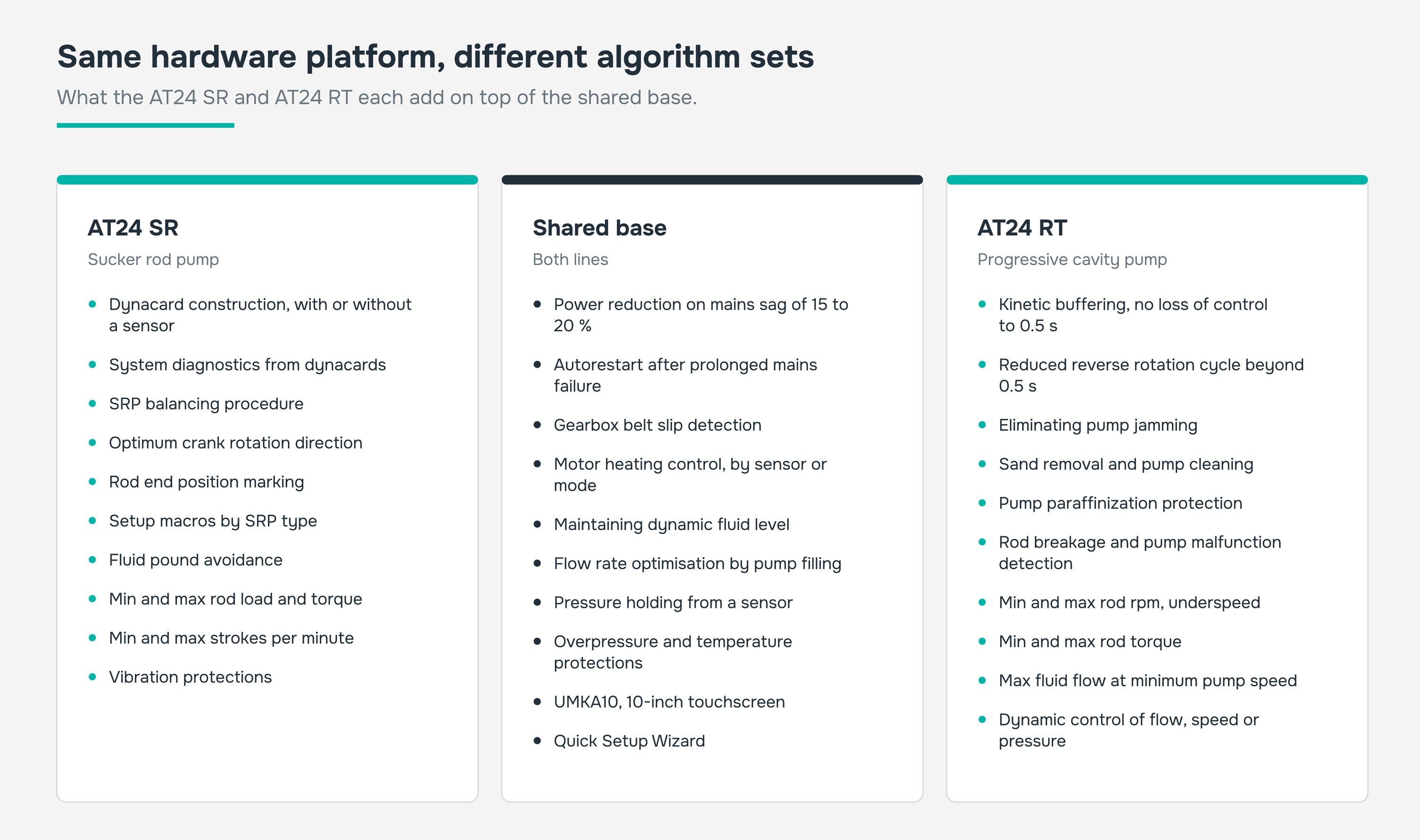
Figure 2. Same hardware platform, different algorithm sets.
What both lines share
Underneath the two algorithm sets is one platform, and much of what it provides is about the grid rather than the pump.
Oilfield power is rarely clean. Both lines reduce power automatically on a mains sag of 15 to 20% instead of tripping, and autorestart after a prolonged mains failure. Both detect gearbox belt slip and control motor heating by sensor or operating mode.
Both also automate the production objective rather than just the speed: maintaining the dynamic fluid level, optimising flow rate by pump filling, holding a set pressure from a sensor, and on the RT, finding and holding maximum fluid flow at minimum pump speed.
| Parameter | Value |
|---|
| Power range | 7.5 to 200 kW (10 to 272 hp) |
| Mains voltage | 380 to 415 V or 440 to 480 V |
| Rectifier topology | 6-pulse, 6-pulse with passive harmonic filter, or active |
| Harmonics | Compliance with IEEE 519 |
| Enclosure | IP54/NEMA 3R base, IP66/NEMA 4 option |
| Placement | Outdoor, floor mounted |
| Operating temperature | -20 to +50°C base, -40 to +50°C with options, +60°C with derating |
| Altitude | Rated to 1000 m, with power reduction to 4000 m |
| Controller | UMKA10, 10-inch touchscreen, Wi-Fi web interface |
| Third-party control | Compatible with controllers from other manufacturers |
| Sensor inputs | 9 analog inputs reserved for sensors, 3 motor temperature sensors |
| Communication | Modbus RTU, 9600 to 1 500 000 bps |
| Languages | English, Spanish and one further language of choice |
Commissioning at the wellhead
Specialised algorithms have a cost: somebody has to configure them, standing at a wellhead rather than sitting at a desk.
The Quick Setup Wizard takes the rated motor and mechanism parameters, the connected sensors, then runs the mechanism several times to optimise control quality before the engineer verifies and adjusts.
The drive tunes itself against the actual mechanism, not against a parameter sheet.
Where a site already standardises on another controller, the AT24 is built to work with it rather than replace it.
A drive that understands a rod pump can tell you the pump is not filling before the rods part. A drive that understands a PCP can bring a wound-up rod string to rest without breaking anything.
A drive that understands neither can only protect the motor, and tell you afterwards.
Running rod pumps or PCPs on general-purpose drives? Send us the pump type, the motor rating and the site conditions, and we will show you what the SR or RT algorithm set would add.
Request a configuration proposal for the AT24 SR or RT.


